
A 1969 Kennedy Half Dollar silver content reflects a transitional period in United States coinage.
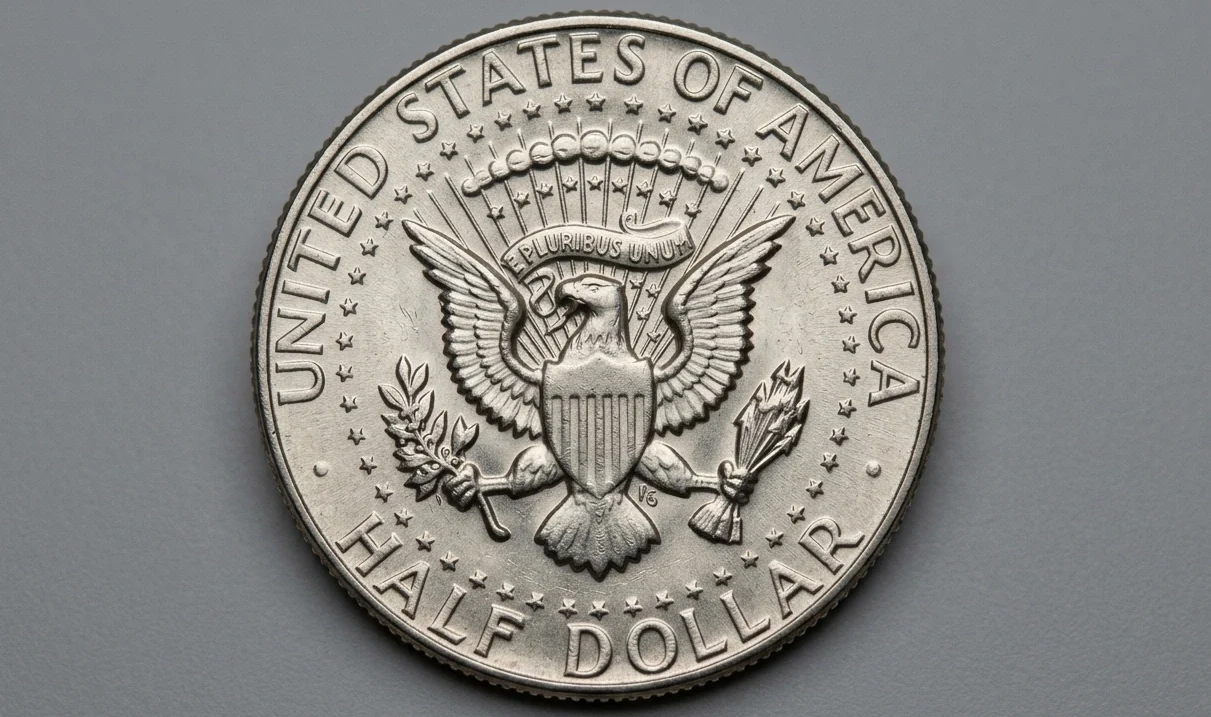
Minting facilities in Denver and San Francisco produced these pieces during a strategic phase-out of precious metal from general circulation.
Using 40% silver served as a temporary measure before the final shift to copper-nickel materials in 1971.
| Parameter | Metric Value |
| Total Mass | 11.50 grams |
| Pure Silver Mass | 4.60 grams |
| Body Diameter | 30.61 mm |
| Edge Thickness | 2.15 mm |
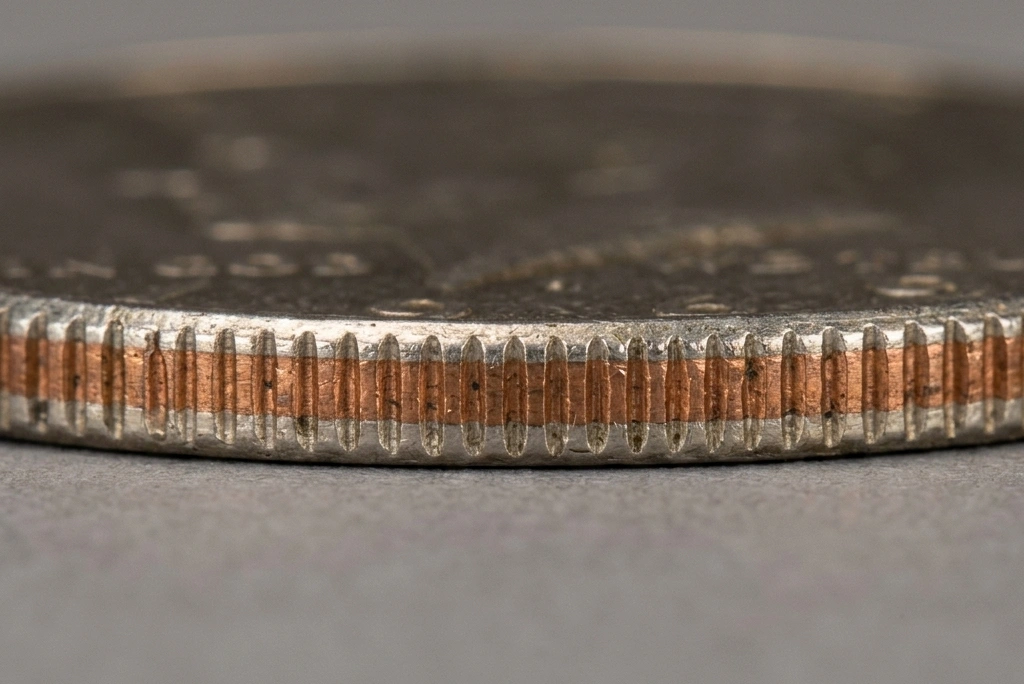
| Edge Type | Reeded (150 reeds) |
| Obverse Designer | Gilroy Roberts |
| Reverse Designer | Frank Gasparro |
Pure silver within the mix provides a distinct white luster on the surface.
Copper core appearing as a thin dark stripe on the edge becomes visible upon close inspection.
Production Indicators and Mintage Figures
Primary volumes of coins in 1969 served both circulation and collector set demands.
Philadelphia Mint produced no half dollars during this specific year.
Denver branch provided the entire volume of regular strike coinage.
- Denver (D mint mark): 129,881,800 pieces
- San Francisco (S mint mark, Proof): 2,934,631 pieces
Total emission volume → 132,816,431 specimens.
High mintage numbers ensure the availability of common samples in the 2026 market.
Price Dynamics and 2026 Market Indicators
Value of the coin depends directly on silver bullion spot prices and numismatic condition.
Below appears a table of average market prices as of March 2026.
| Condition | Price Per Unit | 10-Year Change |
| AU58 (About Uncirculated) | $12 | +15% |
| MS63 (Mint State) | $18 | +22% |
| MS65 (Choice Mint State) | $35 | +40% |
| MS66 (Gem Mint State) | $110 | +85% |
| MS67 (Superb Gem) | $4,200 | +310% |
Record price for a specimen in MS67 condition stands at $15,600.
Annual value growth for top-tier grades averages approximately 12%.
Common circulated coins correlating with metal prices add 3-5% in value annually.
Impact of Transitional Period on Physical Properties
Decision reducing silver content from 90% to 40% occurred in 1965.
Minting technology for clad blanks reached maximum efficiency by 1969.
Applying high pressure during the strike ensured clarity in the heraldic eagle details.
Die wear eventually leading to micro-cracks on the coin field occurred frequently.
Specimens showing no signs of die erosion carry a 25% price premium.
Avoiding contact with other coins preserves the original mint luster.
Layered structure → Specific ring when dropped on a hard surface.
Sound frequency differs significantly from 90% silver or copper-nickel compositions.
Defects and Varieties
No major errors in lettering or imagery appeared during 1969 production.
Primary deviations involving mechanical damage during transport remain common.
- Double Die Obverse — none discovered to date.
- Repunched Mint Mark — appearing rarely on Denver strikes.
- Machine Doubling — a frequent occurrence not increasing market value.
Presence of a distinct halo around letters indicates machine vibration.
Such specimens being classified as common items carry no premium.
Patination Process of the Silver Mix
Silver at 40% concentration oxidizes differently compared to pure alloys.
Copper in the mix causes yellow and brown shades of toning to appear.
Storing in aggressive environments results in dark sulfide spots.
Natural rainbow toning increasing auction value by 150-200% remains highly prized.
Artificial aging being easily detected by experts during spectral analysis carries no value.
Surface preservation in 2026 remains guaranteed by using inert capsules.
Investment Potential in the 2026 Context
Coins from 1969 serve as a tool for capital preservation in precious metals.
Low entry thresholds allow for the formation of large investment lots.
Liquidity being provided by constant demand for silver remains stable.
Value change scenarios:
- Rising silver spot price → proportional increase in coin value.
- High grade assignment by certification services → sudden price jump.
- Discovery in original bank bags → wholesale premium.
Loss of mass due to friction reduces the value of the object by 5-10%.
Deep scratches excluding the possibility of a numeric grade lower the potential.
Professional Certification and Standards
Realizing the maximum price for a coin requires proof of authenticity.
Independent laboratories evaluating luster, strike, and field preservation provide security.
MS67 grade remains the critical rarity threshold for 1969-D.
Population statistics for 2026:
- MS64: over 50,000 pieces.
- MS65: approximately 15,000 pieces.
- MS66: fewer than 2,500 pieces.
- MS67: only 12 pieces.
Rarity of high grades resulting from the softness of the 40% silver mix is notable.
Metal deforming easily upon impact in the mint hopper prevents many high grades.
Comparison with Other Years
1969 coinage stands alongside the 1965-1970 silver clad issues.
1970 issue being minted only for sets remains more expensive.
| Mint Year | Silver Content | Mintage (Millions) | Status |
| 1964 | 90% | 429.5 | Mass Produced |
| 1969 | 40% | 132.8 | Mass Produced |
| 1970 | 40% | 2.1 | Collector Only |
| 1971 | 0% | 457.2 | Mass Produced |
Reducing silver content → Significant government budget savings.
Replacing precious metal with copper-nickel cladding ended the era of silver money.
Logistics and Storage of Collection Assets
Preventing corrosion requires specific environmental conditions.
Air humidity staying below 35% ensures long-term safety.
Absence of sulfur in packaging materials remains a mandatory requirement.
Using holders made of polyvinyl chloride is strictly forbidden.
Chemical reaction with PVC destroying the upper silver layer occurs quickly.
Restoring surfaces after contact with plasticizers remains impossible.
Professional albums using high-density polyethylene pages provide maximum security.
Proof Condition
Proof quality coins being struck specifically for collectors occurred in San Francisco.
Mirrored fields contrasting with the frosted image of Kennedy create high eye appeal.
Double strike technology ensuring maximum detail was utilized.
In 2026, 1969 proof sets cost an average of $25 per set.
Ultra Cameo status being rare is valued at $500.
Absence of scratches on the mirror surface requires checking at coin identification app.
Silver Mining Dynamics and Numismatic Impact
Global silver reserves in 2026 continue to shrink.
Industrial demand for metal in electronics supporting high prices remains strong.
Numismatic objects acting as secondary raw material sources are common.
Melting 1969 coins was a mass phenomenon in 1980 and 2011.
Destroying the mintage increases the rarity of surviving specimens.
Estimating the survival rate of the 1969-D mintage suggests 65% remains.
Remaining 35% being lost or melted reduces supply.
Visual Characteristics of the Reverse
Back side contains the image of the Great Seal of the United States.
Eagle holding an olive branch and a bundle of arrows signifies national values.
Symbolism reflecting a desire for peace and readiness for defense is evident.
Improving eagle feather detail occurred in 1969.
Presence of full lines on the shield indicates high strike quality.
Weak strikes resulting in “mushy” central details are less desirable.
Geopolitical Context of the Issue
1969 being marked by the moon landing influenced national pride.
Coins of this year often being associated with the US space program are popular.
Economy requiring vast resources for war and scientific research influenced minting.
Abandoning silver in coinage resulted from budget deficits.
Transitioning to 40% silver allowed for sufficient money production.
1969 silver Kennedy remains the last mass silver denomination from Denver.
Authentication Methods in Modern Conditions
Using the best free coin identifier app allows for precise composition determination.
Percentage of copper and silver must strictly follow the standard.
Weight at 11.50 grams serves as the reference point.
Allowable deviation being 0.2 grams is the industry standard.
Exceeding the weight suggests a forgery from a different mix.
Losing weight indicates heavy wear or core corrosion.
Sound tests remaining a secondary method for experienced dealers are still used.